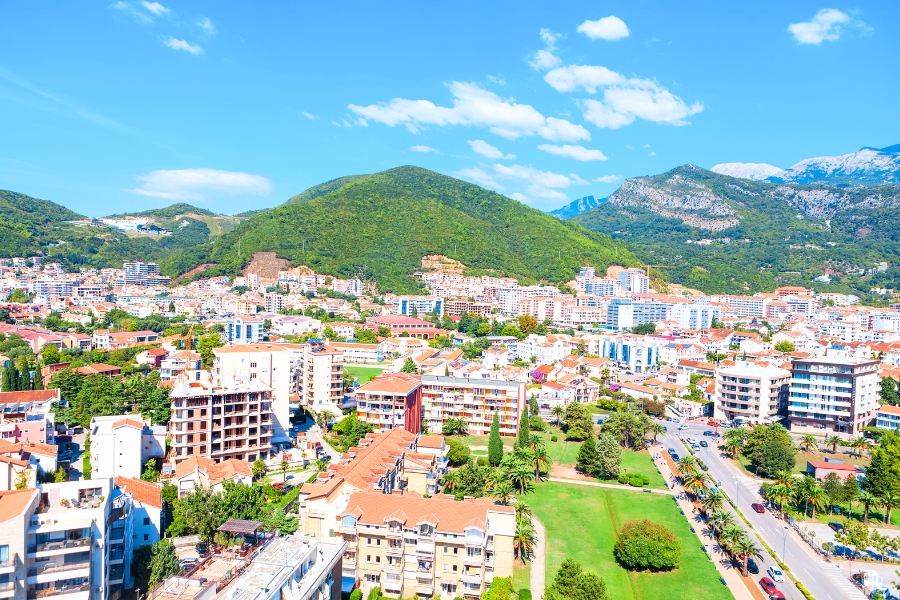
Montenegro is a country where the sapphire waters of the Adriatic Sea meet the limestone giants of the Dinaric Alps. For those planning to visit this Mediterranean gem in 2026, a rental car remains the ultimate key to unlocking the country’s most authentic corners, far from the reach of standard tour buses.
To drive in Montenegro is to embrace a journey of extremes, where a morning spent swimming in a coastal cove can be followed by an afternoon hike around a glacial lake. Traversing this country by car has been made easier by recent infrastructure improvements. The completion of key segments of the Princess Xenia Highway has significantly reduced travel times between the sun-drenched coast and the rugged north.
The country is more accessible than ever for an adventure, and 2026 is a perfect time to explore Montenegro by car. To help you decide which destinations to include in your itinerary, this guide lists the top seven places you can drive to. It also provides essential tips to keep your Montenegrin road trip safe and enjoyable.
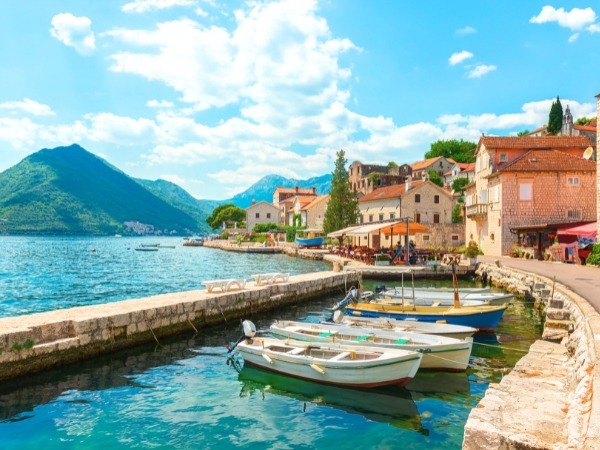
Boka Bay, or the Bay of Kotor, is a majestic, fjord-like inlet where steep limestone cliffs plunge directly into the sea. The shoreline is dotted with medieval towns like Perast, where you can hop on a boat to visit Our Lady of the Rocks, an artificial island with a legendary 17th-century church.
In the town of Kotor itself, you can wander around the labyrinthine stone streets of the Old Town or climb the 1,350 steps of the city walls to the San Giovanni Fortress. For those seeking a unique perspective, you can join a speedboat tour to the Blue Cave, where the sunlight reflects off the sandy floor to create a luminous neon-blue glow in the water.
Lovćen is the spiritual heart of Montenegro, dominated by a rugged mountain plateau that offers views of nearly the entire country. The crown jewel is the Njegoš Mausoleum, perched at the top of 461 stone steps on the Jezerski Vrh peak. Inside, a massive granite statue sits beneath a ceiling of over 200,000 gilded tiles.
For outdoor enthusiasts, the park features the famous Wolf Trail, a relatively flat loop through beech forests that leads to spectacular views of the Budva Riviera. After exploring the summits, many visitors stop in the village of Njeguši to sample the region's famous smoked ham and local cheeses at traditional stone taverns.
Heading north, the landscape shifts dramatically as you enter Durmitor National Park. The Durmitor Ring is a panoramic 85-kilometre loop that takes you through the heart of the UNESCO-protected massif. This is perhaps the most rewarding place to explore Montenegro by car, as it traverses high-altitude plateaus and passes through traditional sheep-herding settlements known as katuns.
Durmitor is a high-altitude wilderness of 48 limestone peaks and 18 glacial lakes known as Mountain Eyes. The highlight is the Sedlo Pass, often referred to as the Saddle of the Gods, where the road winds between jagged peaks that resemble petrified waves. Base yourself in the town of Žabljak to explore the emerald Black Lake, which serves as a serene mirror for the surrounding pine forests.
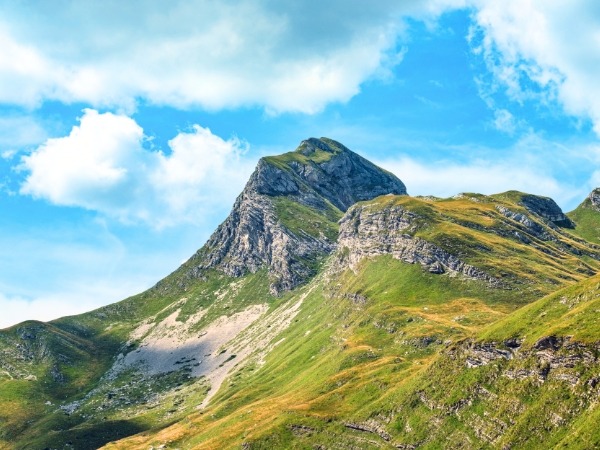
Carved by the turquoise Tara River, this canyon is the deepest in Europe and serves as a premier destination for white-water rafting. The architectural centrepiece, Đurđevića Tara Bridge, with its five sweeping concrete arches, is the best place to admire the chasm. Park your car at the bridge’s edge to walk across and feel the force of the wind howling through the gorge.
For a boost of adrenaline, several ziplines run parallel to the bridge, allowing you to fly over the gorge at high speeds. Lower down by the river, you can visit the Ljutica River, one of the shortest rivers in Europe, which erupts from a powerful freshwater spring directly into the Tara. You can also enjoy white-water rafting, if you want more adventure.
Lake Skadar is the largest lake in the Balkans, famous for its floating carpet of lily pads. The best way to experience it is by hiring a traditional wooden boat called a čun for a guided tour of the medieval island monasteries, such as Kom Monastery. Birdwatching is also a major draw here, as the lake is home to the rare Dalmatian Pelican and over 280 other species.
On the shores, you can enjoy a scenic drive towards the lakeside village of Virpazar, but the real magic lies in the narrow, winding roads that lead to the Horseshoe Bend viewpoint at Rijeka Crnojevića. This iconic overlook shows the river snaking around a green hill, reminiscent of a miniature Amazon. Driving here also allows you to visit small family-run wineries in the Crmnica region, famous for the indigenous Vranac grape.
Budva is a town that combines ancient history with some of the Adriatic's most lively beaches. In its Old Town, you can walk along the Citadel’s ramparts or visit the Church of St. Ivan to see its iconic spire. Meanwhile, the Budva Riviera is known for its sandy beaches, vibrant nightlife, and water sports.
Just down the coast lies Sveti Stefan, a 15th-century fortified island village. While the islet itself is an exclusive resort, the surrounding public beaches offer crystal-clear water and views of the red-tiled roofs. A scenic coastal walk connects Sveti Stefan to the nearby Miločer Park, where you can stroll through olive groves and past the famous Queen’s Beach.
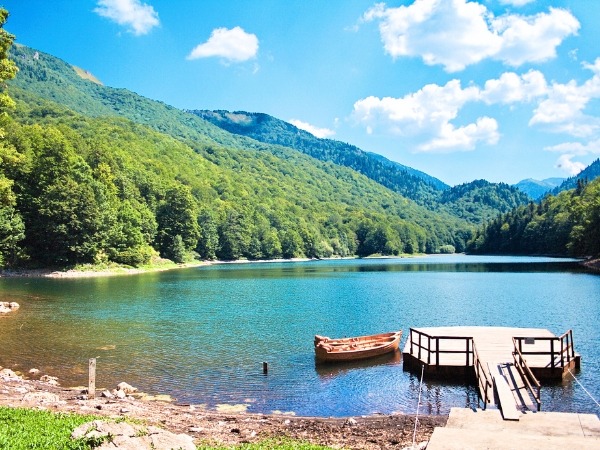
Located near the mountain town of Kolašin, Biogradska Gora is home to one of the last three primaeval forests in Europe. The drive into the park is a journey through ancient history, with trees that have stood for over 500 years. The central feature is Biogradsko Lake, where you can rent a small wooden boat or a kayak to explore the emerald shores.
An easy 3.5-kilometre educational trail circles the lake, perfect for families and those wanting to learn about the unique biodiversity of the Bjelasica mountain range. For a more rugged experience, you can hike up to the high-altitude glacial lakes like Pešića Lake or visit the traditional wooden shepherd huts known as katuns for a taste of mountain life.
Montenegro remains one of the few places in Europe where you can truly feel the thrill of discovery behind the wheel. From the Venetian stone palaces of the coast to the wild, wind-swept heights of the north, the diversity of this small nation is best revealed through the window of a car.
As 2026 brings better roads and more modern amenities, there has never been a more comfortable time to embark on this Balkan adventure. Whether you are navigating the serpentines of Lovćen or cruising the shores of the Adriatic, the freedom to explore Montenegro at your own pace is an experience that will stay with you long after the journey ends.
Do not wait to experience the true beauty of the Balkans and discover unique hidden routes. Now is the best time to prepare for your 2026 driving adventure, starting with securing your vehicle. Rent a car in Montenegro today and start your own story in the land of the Black Mountain.