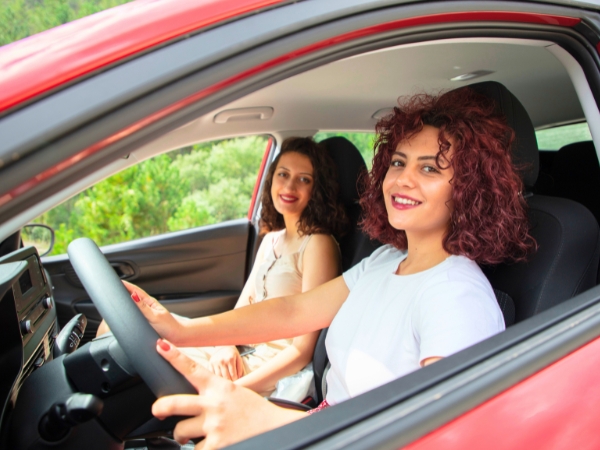
Embarking on a road trip in Montenegro offers an unprecedented opportunity to experience one of Europe’s most dramatically scenic destinations. From the towering fjord-like cliffs of the Bay of Kotor to the pristine alpine meadows of Durmitor National Park and the sun-kissed beaches of Budva, exploring this Balkan jewel by car provides unmatched flexibility.
While global fuel prices have notably fluctuated in recent years, taking the driver’s seat remains the best way to discover the country. Public transport, such as local buses, adequately connects major urban centres like Podgorica and coastal hubs, but relying solely on scheduled routes severely limits your access to the authentic heart of the nation.
Renting a vehicle grants you the freedom to explore hidden treasures that are virtually inaccessible by public buses. Furthermore, for couples, families, or small groups travelling together, splitting the expense of car rental and fuel turns out to be far more economical than purchasing individual seats on organised tour buses or hiring private taxi drivers for day trips. The luxury of setting your own itinerary, stopping spontaneously at scenic routes, and avoiding rigid schedules far outweighs the incremental cost of fuel.
Before leaving the rental hub, check the sticker located inside the fuel filler flap or review your vehicle agreement to confirm whether your car requires petrol or diesel. Ensuring you select the correct type for your vehicle is critical. Fuel pumps across the country use standardised European labelling, but understanding local terminology helps prevent costly mistakes.
The standard unleaded petrol options include Eurosuper 95, which is used by most economy rental vehicles, and Eurosuper 98, which is used for the luxury class. Eurodiesel or Dizel is also widely utilised for SUVs, 4x4s, and other larger vehicles, providing excellent torque and fuel efficiency. Additionally, Liquefied Petroleum Gas (LPG) is available at select larger service stations, although it is uncommon in basic standard rental vehicles.
Several fuel companies operate well-maintained service stations, known as benzinska pumpa, throughout the country. The availability of these stations varies significantly depending on the geography of your route. Coastal highways connecting major cities, like Budva, Tivat, and Podgorica, boast a dense concentration of modern, multi-pump facilities. Most of these stations operate 24 hours a day and feature well-stocked convenience stores.
In contrast, as you travel north into rural and mountainous zones such as Durmitor, Biogradska Gora, or Prokletije, petrol stations become notably sparse. Distances between stations can exceed 40 km to 50 km, and smaller rural stations may close in the early evening. This is why planning your refuelling stops in advance when heading inland is vital.
The good news is, regardless of where you choose to pump, the national government sets uniform maximum retail prices across all petrol stations nationwide, updating them on a bi-weekly schedule. Because prices are identical everywhere, you never need to waste fuel or time searching for a station with lower prices.
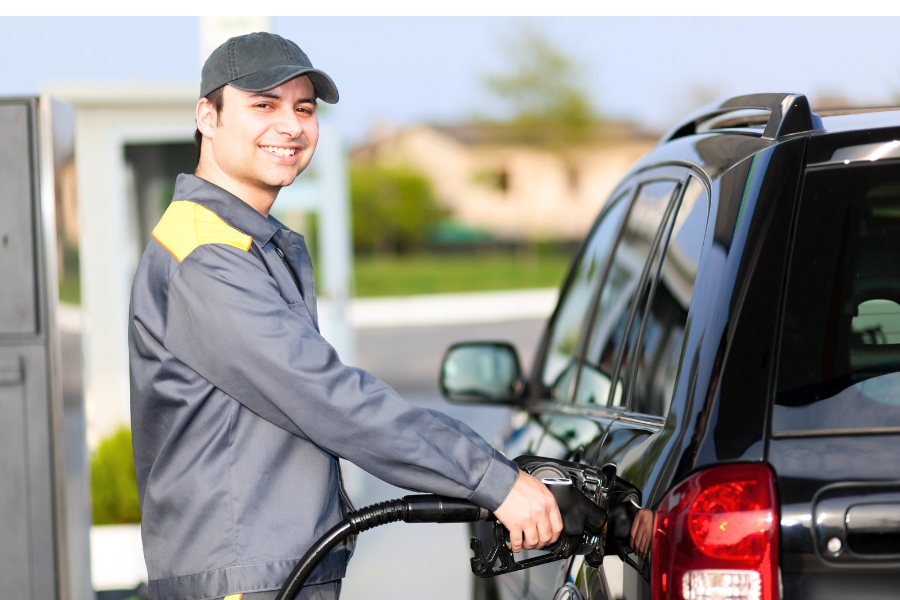
Refuelling your vehicle in Montenegro is a straightforward process. Unlike many Western European countries where self-service is the norm, the majority of petrol stations in Montenegro are full-service, meaning there are attendants who will assist you throughout the refuelling process. You do not need to get out of your car and pump the fuel; simply follow these steps:
Pull up to the station, align your fuel tank door with the correct pump dispensing your required fuel type, and turn off your engine.
Lower your window to let the attendant know your fuel preference and requested quantity, such as full or an exact amount.
Verify that the digital counter on the pump resets to zero before the attendant begins dispensing fuel into your tank.
Pay the attendant directly at the pump or head inside to the cashier desk as instructed, and always collect your VAT receipt.
Hand a small tip or round up the bill if the attendant provided attentive service, such as cleaning your windscreen.

Montenegro officially adopted the Euro (€) as its legal tender in 2002. Consequently, all transactions at fuel stations are conducted strictly in Euros, eliminating the hassle of currency conversion for visitors coming from the Eurozone. It is vital to always carry smaller Euro bills and coins, preferably €10 or €20, for payments and tips. Paying with high-denomination banknotes like €100 can be difficult for small stations with limited change.
Major credit and debit cards are accepted at almost all petrol stations along coastal corridors and in major cities. Contactless card payment systems and mobile wallets are also widely supported. However, as previously noted, carrying a reasonable supply of cash remains essential. Smaller stations situated in countryside villages occasionally experience internet connectivity drops, rendering card terminals temporarily offline.
Additionally, paying for fuel in cash prevents foreign transaction fees that some international banks charge when processing card payments abroad. Furthermore, having cash handy ensures you can pay seamlessly at small rural stations without needing to run your engine to find a working cash machine if card terminals go offline.
Depending on the layout of the specific station, you will either pay the attendant directly at the pump or walk inside the main shop terminal to settle the bill with the cashier. The attendant will inform you whether to pay them or proceed inside. Always request the printed VAT receipt. Keeping your fuel receipts is valuable for tracking your total travel expenditures and serves as proof of fuel level when returning your vehicle to your rental provider.
Tipping station attendants in Montenegro is not legally mandatory, but it is a courteous and customary gesture. If an attendant fills your tank, wipes your windscreen, or assists with checking tyre pressure, leaving a small tip of €1 to €2, or simply rounding up the total bill to the nearest Euro, is greatly appreciated and aligns with local hospitality norms.

Follow these five practical strategies to reduce your overall fuel consumption. Minimise your expenditure by preparing carefully and adapting smart driving habits.
Rent a Small or Hybrid Model: Small hatchbacks and modern hybrid models handle Montenegro's tight coastal streets easily while consuming significantly less fuel on steep mountain passes. Heavy SUVs are rarely necessary for standard routes and will increase your running costs unnecessarily.
Adopt Smooth Driving Styles: Use steady acceleration when exiting serpentine hairpin turns, and shift to a lower gear to utilise engine braking on long downhill slopes. This smooth driving style reduces fuel consumption on steep gradients and prevents excessive wear on your brakes.
Follow the Local Speed Limit: Speed limits in Montenegro are generally set to 50 km/h in urban zones and 80 km/h on open country roads. Driving at a steady, moderate pace within these bounds keeps your engine operating within its most economical performance range.
Fill Your Tank in Major Towns: Climbing high-elevation routes like the Durmitor Ring causes your engine to burn fuel faster than cruising on flat highways. Filling your tank in major towns before venturing to remote areas prevents you from getting stranded or having to make long detours to find an open station.
Honour the Full-to-Full Policy: If your rental agreement indicates a Full-to-Full policy, you should remember to refuel your car at a petrol station near your drop-off location. Returning the vehicle with less than a full tank will trigger inflated per-litre charges and hefty service fees from your rental provider.
Do I need to pump my own petrol in Montenegro? No, the vast majority of petrol stations in Montenegro operate on a full-service model staffed by dedicated station attendants. You simply lower your window, specify your required fuel type and amount, and let the attendant manage the refuelling.
Is the price of fuel the same in all petrol stations? Yes, the Montenegrin government regulates maximum retail fuel prices nationwide on a bi-weekly schedule. This ensures you will pay the same price per litre whether you refuel at a busy coastal station or a remote mountain pump.
Can I pay for my fuel using any major credit card? Major international credit cards are widely accepted at modern petrol stations throughout the country. Despite this, carrying small Euro cash bills remains essential as remote stations can occasionally lose internet connectivity for portable card terminals.
Are petrol stations open 24 hours in Montenegro? Most major petrol stations located along coastal routes and main highways operate around the clock, 24 hours a day. However, smaller stations in rural or northern mountainous regions often close early between 8:00 PM and 10:00 PM.
What happens if I accidentally put the wrong fuel? If you misfuel your vehicle, do not turn on the ignition under any circumstances, as running the engine causes severe mechanical damage. Immediately notify the petrol station staff and call your rental agency's roadside assistance to request a professional tank drain.
A road trip in Montenegro provides an unforgettable travel experience, granting you access to majestic fjord landscapes, rugged peaks, and centuries-old coastal villages. Although global fuel costs remain a consideration for any traveller, the country's price regulations, full-service stations, and excellent roads make car travel both accessible and rewarding.
By understanding local fuel terminologies, carrying small bills, selecting an efficient vehicle, and planning your refilling stops, you can confidently fuel up in Montenegro and focus on the incredible journey ahead. Book your rental car, hit the open road, and discover everything this breathtaking Balkan destination has to offer.