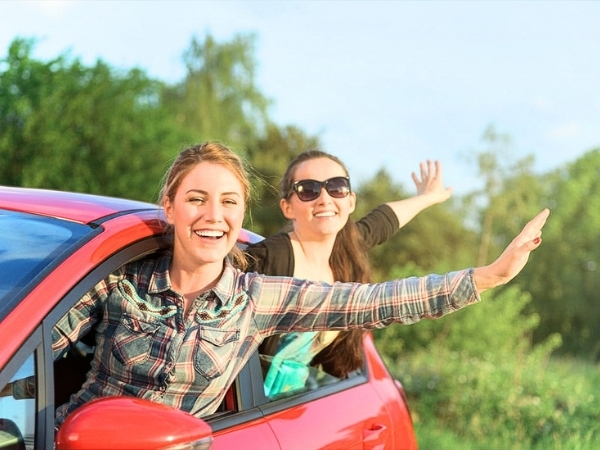
Montenegro is a country that feels as though it was designed specifically for road trips. From the fjord-like curves of the Bay of Kotor to the snow-capped durability of the Durmitor massif, the landscape shifts with a dramatic flair that public transport simply cannot match. To freely explore the Land of the Black Mountains, you need your own set of wheels.
The bus network, while reliable between major hubs like Podgorica and Budva, rarely services the most breathtaking locations, such as the hidden viewpoints overlooking the Horseshoe Bend of Lake Skadar. Having your own car allows you to bypass the crowded tour buses and reach popular sites like the Ostrog Monastery at sunrise, long before the midday heat and the queues arrive.
A vehicle is not just a luxury, but a necessity for curious travellers. However, the transition from a casual vacation to a driving adventure requires careful preparation and planning. This comprehensive guide lists everything you need to know to rent a car in Montenegro and enjoy a seamless journey across the country.
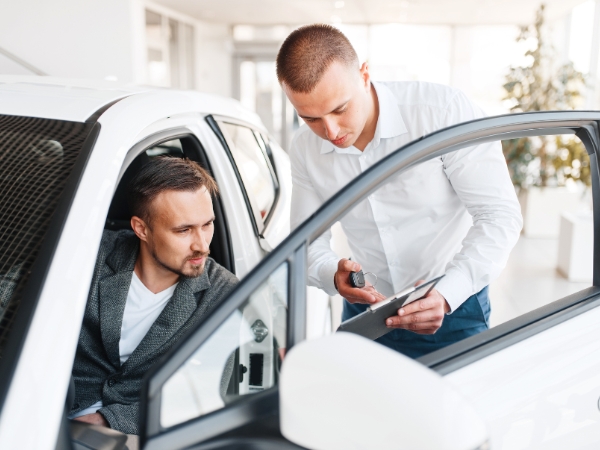
The first step is ensuring you meet the requirements for driving and renting a car. Foreign driving licenses are usually accepted. However, if your licence is issued in a non-Latin script, you also need to present an International Driving Permit (IDP). Carrying an IDP is also often recommended to speed up police checks. Additionally, you must provide your passport and a physical credit card for the security deposit.
In Montenegro, the legal age to drive is 18, but the minimum age to rent a car is typically 21. Some local agencies now allow younger drivers to rent, provided they pay a Young Driver Surcharge, which usually ranges from €10 to €15 per day. If you are over 75 years old, you may also encounter Senior Driver Fees or specific insurance requirements, like a recent medical certificate.
The rental agreement is not just a simple contract; it is your legal safeguard. Before you sign, read the terms clearly and pay close attention to the fuel policy. Always opt for the Full-to-Full basis because it is the most cost-effective option. Additionally, check the mileage limits. While most rentals in Montenegro are unlimited, some promotional rates may cap your daily distance.
If you are planning to hop across the border to neighbouring countries like Croatia, Bosnia, and Albania, make sure that it is allowed in the contract. You must ask the rental company for written authorisation and a Green Card or cross-border insurance. Attempting to cross a border without these documents will result in you being turned back at the frontier and could void your entire insurance policy.
Insurance is usually the most confusing part of car rentals for many travellers, but it doesn’t need to be complicated. Third-Party Liability (TPL) is mandatory and already included in the rental price. Most agencies also offer Collision Damage Waiver (CDW) in their basic package, but it leaves you with a significant excess or deductible, often between €500 and €2,000.
To mitigate this and have peace of mind, many travellers opt for a Super Collision Damage Waiver (SCDW) or a Full Coverage insurance. This typically covers the three most vulnerable car parts often excluded by standard policies: tyres, windscreen, and undercarriage. Given the prevalence of loose gravel and narrow roads in the mountains, damage to these areas is common, so full protection can be a good investment, even if it’s costly.
Montenegrin traffic regulations are strictly enforced, with police frequently conducting roadside checks. One of the most important rules is that dipped headlights must be switched on 24 hours a day, regardless of the visibility or weather. Failing to do so can result in an on-the-spot fine of approximately €30. Drunk driving laws are also exceptionally rigid. The legal blood alcohol limit is 0.3‰, which is effectively a zero-tolerance policy.
Speed limits are generally 50 km/h in built-up areas and 80 km/h on open roads. While these may seem low, the winding nature of the terrain makes higher speeds dangerous. All passengers must wear seatbelts, and children under five years old must be secured in an appropriate child restraint system. The use of mobile phones while driving is strictly prohibited, unless you are using a hands-free device.
The roads in Montenegro are a tale of two halves. The primary coastal routes and the new motorway connecting Podgorica to Kolašin are in excellent condition and easy to navigate. However, once you venture into the interior, the roads become narrow, winding, and often lack safety barriers.
In the northern regions, you may encounter one-and-a-half-lane roads. The local etiquette dictates that the driver in the better position to pull over or reverse into a passing bay should do so. Patience is a prerequisite here. Rockfalls are also a genuine hazard in the deeper canyons like Morača and Piva, especially after heavy rain. Always check for patches of black ice if driving in high altitudes during the early morning or late evening.

Your driving experience will be dictated by the month you visit. During the peak summer season in July and August, the coastal road from Herceg Novi to Ulcinj becomes heavily congested. A journey that usually takes 20 minutes can easily take two hours. Parking in old towns like Kotor or Budva becomes a strategic challenge, with premium prices to match.
If you travel during the winter from November to March, you must be prepared for snow. Winter equipment, including winter tyres and snow chains, is legally mandatory in the northern half of the country. Many mountain passes, such as those through Durmitor, may be closed entirely due to heavy snowfall, so always consult the announcements before setting off.
When you rent a car in Montenegro, your itinerary should dictate your vehicle choice. If you plan to drive primarily on the coastal highways or main roads, a small economy car is an excellent choice. It is ideal for squeezing into tight parking spots and navigating the narrow alleys of ancient stone villages.
Conversely, if your heart is set on touring the mountainous region, which includes the 25-serpentine road above Kotor and the high-altitude reaches of the north, you will benefit from a car with a more powerful engine. For those planning to explore the more remote areas of Prokletije National Park, a vehicle with higher ground clearance, such as a crossover or SUV, provides much-needed comfort and safety.
Aside from your itinerary, transmission is a huge factor in your car selection. While manual vehicles remain the standard in Montenegro, automatic cars are becoming more common in rental fleets. However, they still command a premium price and are easily sold out. If you are not comfortable shifting gears manually on steep hills, you must book an automatic car well in advance.
Additionally, consider the fuel type. Diesel is generally slightly cheaper and offers better torque for mountain driving, while petrol cars are often quieter for coastal cruising. If you are choosing a modern SUV, you will benefit from advanced driver-assistance systems like hill descent control, which can be incredibly helpful when navigating the long, steep declines from the mountains back down to the Adriatic.
The secret to getting a good deal when you rent a car in Montenegro is early booking. For summer travel, prices are at their lowest when booked three to four months in advance. Last-minute rentals at airport kiosks in Podgorica or Tivat are significantly more expensive and often leave you with the least desirable vehicles in the fleet.
Check out both major international brands and local Montenegrin agencies. International companies usually have better fleets, but they also come with higher prices. Local firms often offer lower security deposits and more personalised service, though you should always check recent reviews to ensure their maintenance standards are high. Regardless of which agency you book with, always ask for a full price breakdown to avoid hidden fees.
Knowing who to call during an emergency provides an essential safety net for any road trip. In Montenegro, the emergency number is 112, which can be used for any life-threatening situation. However, for specific services, you can dial 122 for the police, 123 for the fire brigade, and 124 for medical emergencies.
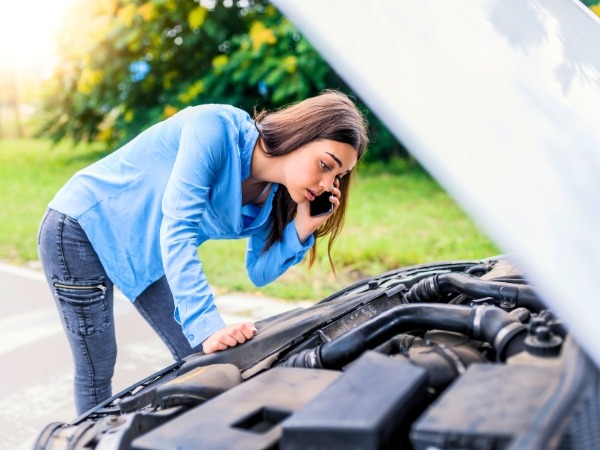
If your car breaks down or you get a flat tyre, you should contact your rental agency. Most companies provide their own 24/7 roadside assistance number, which should be kept in the glove compartment or saved in your phone. Some firms offer this service for free, while others may ask for additional fees, so you should verify this before leaving the rental lot.
Renting a car in Montenegro is the difference between a standard holiday and an unforgettable adventure. It gives you the power to watch the sunrise over the Bay of Kotor and the sunset from the heights of Mount Lovćen without being beholden to bus schedules or expensive taxi transfers. By understanding the driving requirements, selecting the right vehicle, and respecting the local traffic regulations, you can navigate this stunning corner of the Balkans with total confidence.
The rugged beauty of Montenegro awaits discovery. Whether you are looking for a nimble city car for the coast or a robust SUV for the highlands, now is the perfect time to plan your journey. Secure your rental car today and unlock the true spirit of the Black Mountains. Final Rentals makes booking smooth and hassle-free via our website or mobile app, available for download on Google Play and the App Store.